
Got a vintage Mustang or a pristine ’67 Corvette? Moving a classic car isn’t like shipping a daily driver. These beauties are investments sometimes worth tens or hundreds of thousands. One wrong move, and a scratch could cost a fortune. Classic car shipping is exactly the solution. The question of the right way of transport always comes up when you want to move, sell, or display your vehicle at an exhibition. The big debate? Enclosed vs. open transport. Here are some tips to make classic automobile shipping safe and stress-free.
What Is Classic Car Shipping?
Classic car shipping Basically, the whole point of the transfer is to just relocate vintage or high-value vehicles that are in need of special treatment. In contrast to their usual counterparts, weather changes, small stones on the road, and rough handling are the causes of the antiques’ deterioration.
The two principal ways or methods for such operations are closed and open carriage. Each has its perks, depending on your car’s value, distance, and budget.
Think of it like choosing a travel case for a rare guitar. You wouldn’t toss it in a soft bag for a cross-country trip. Same with your classic car. The right choice keeps it safe, shiny, and ready to turn heads.
Enclosed Transport: The VIP Treatment for Classic Car Shipping
Enclosed transport is like a first-class ticket for your car. Your vehicle rides in a fully covered trailer, shielded from the elements. It’s the gold standard for classic car delivery, especially for high-end or rare vehicles.
How It Works
- Booking: Contact a provider like Auto Auction Export LLC. Share your car’s details make, model, value, and destination. Get a quote tailored to your needs.
- Prep: Clean the car. Document its condition with photos. Remove loose items. This helps avoid issues later.
- Loading: Typically, a vehicle is cautiously put inside a closed container, usually with temperature control or gentle tie-downs to avoid any small scratches.
- Shipping: The container is on its way to the location where the car is protected from bad weather, heat, or small debris coming from other vehicles.
- Delivery: Car is taken off, checked, and if everything is fine, given to you with a shine and clean.
Take Emma, who shipped her 1955 Porsche 356 from Miami to a California car show. She chose enclosed transport for classic car shipping to protect its flawless paint. The car arrived spotless, ready for the spotlight.
Why Choose Enclosed Transport?
- Maximum Protection: Shields against weather, dust, and debris.
- Low Risk: Less handling reduces the chance of dings or scratches.
- Peace of Mind: Often includes higher insurance coverage for valuable cars.
It’s like wrapping your car in bubble wrap for the journey. Perfect for classic automobile shipping when value or rarity is high.
The Catch
Enclosed transport costs more typically 30–50% pricier than open transport, per 2024 industry data. But for a $100,000 classic, the extra cost is worth it.
Open Transport: The Budget-Friendly Option
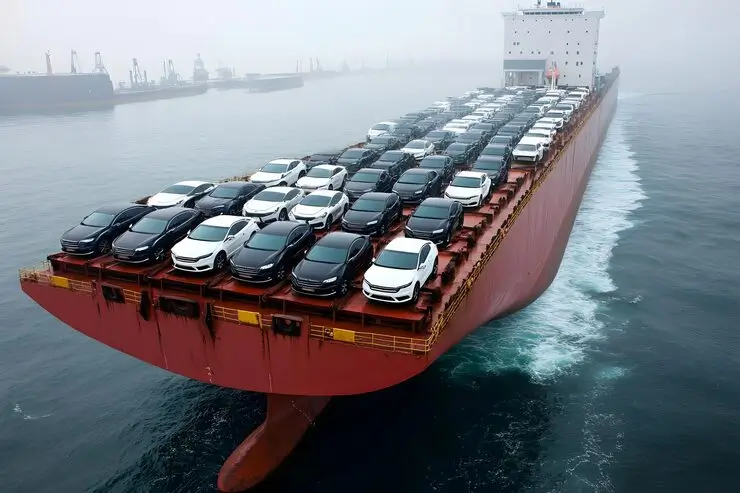
Open transport is the most common way to ship cars, including classics. Your vehicle rides on an open trailer, like the ones you see hauling new cars to dealerships. It’s less expensive but still reliable for classic car shipping if you’re careful.
How It Works
- Booking: Same as enclosed reach out to a company like Auto Auction Export LLC with your car’s details.
- Prep: Clean and document the car. Remove accessories to avoid loss.
- Loading: The car is driven or winched onto an open trailer and secured.
- Shipping: It travels exposed to the elements, though tarps or covers may be used.
- Delivery: The car is unloaded at the destination, ready for pickup.
For example, Jake shipped his 1970 Chevy Chevelle from Texas to New York for a sale. He chose open transport for classic car delivery to save money. The car arrived in great shape, with only minor dust to clean off.
Why Choose Open Transport?
- Affordable: Costs $800–$1,500 for most routes, vs. $1,200–$2,500 for enclosed.
- Widely Available: More open trailers mean easier scheduling.
- Safe for Less Valuable Classics: Fine for well-maintained cars worth under $50,000.
It’s like taking a road trip with the windows down still fun, just less sheltered. Great for transport classic car needs on a budget.
The Catch
Exposure to weather or debris is a risk. A stray rock could chip paint. For ultra-rare classics, this might not be worth the savings.
Comparing Costs for Classic Car Shipping
Money talks. Here’s how costs stack up for classic car shipping (2024 estimates):
- Enclosed Transport: $1,200–$2,500 for a 1,000-mile trip. Higher for cross-country or international.
- Open Transport: $800–$1,500 for the same distance.
For instance, classic vehicle shipping from Chicago to Los Angeles might cost $1,800 enclosed or $1,100 open. Add $200–$500 for port fees or customs if shipping overseas. Auto Auction Export LLC offers clear quotes to avoid surprises.
Hidden Savings
Open transport saves upfront, but enclosed can save on repairs. A 2023 auto transport study found 5% of open-transported cars had minor cosmetic damage vs. 1% for enclosed. For a $75,000 classic, enclosed might be the smarter bet.
How to Choose Between Enclosed and Open Transport
Picking the right method for classic car shipping depends on a few factors:
- Car Value: Cars worth over $50,000? Go enclosed. Under $50,000? Open is fine if well-maintained.
- Distance: Short trips (under 500 miles) can use open transport. Long hauls? Enclosed reduces weather risks.
- Condition: Pristine or restored cars need enclosed. Daily-driver classics can handle open.
- Budget: Tight on cash? Open transport gets the job done.
For example, a collector shipping a rare 1963 Ferrari chose enclosed for classic auto transport to protect its $200,000 value. A hobbyist with a $30,000 muscle car went open and saved $600.
Tips for Safe Classic Car Shipping
Make classic car shipping smooth with these steps:
- Pick a Reputable Provider: Choose licensed, insured companies like Auto Auction Export LLC. Check reviews for reliability.
- Document Everything: Take photos before and after. It’s comparable to a record of your vehicle’s state.
- Proper prep: Take off any loose pieces, check the fluids, and turn off alarms to make sure that no problems will occur.
- Inquire about Insurance: Make sure that the coverage is suitable for the value of your car. The package usually also involves higher limits.
- Follow Your Shipment: You get real-time notifications that keep you updated.
Why Trust Auto Auction Export LLC?
With classic car transporters services, experience matters. Auto Auction Export LLC specializes in classic car shipping, offering both enclosed and open options. They provide transparent pricing, real-time tracking, and expert handling. Whether it’s a show car or a weekend cruiser, they’ve got you covered.
FAQs
What’s the best method for classic car shipping?
Enclosed transport is best for high-value or pristine cars. Open transport works for classic vehicle shipping of less valuable or well-maintained classics.
How much does classic car shipping cost?
Enclosed costs $1,200–$2,500 for 1,000 miles. Open transport runs $800–$1,500. Costs vary by distance and car size.
Is open transport safe for classic auto transport?
Yes, for well-maintained classics worth under $50,000. Open transport carries a slight risk of weather or debris damage.
How do I prepare for classic car transporters services?
Clean the car, remove personal items, document its condition, and check fluids. A reputable provider like Auto Auction Export LLC can guide you.